
Peer-Reviewed Proof
Your Teams Can Trust 

Xsolis’ predictive AI and Care Level Score™ (CLS™) help guide clinical decision making, reduce observation overuse, improve patient status accuracy, and protect revenue integrity. Three health systems. Three journals. Same pattern of results.

As featured by Baylor Scott & White, Mayo Clinic, Yale New Haven Health in peer-reviewed journals.


AI-Driven CLS Cuts
Unnecessary Observation Use

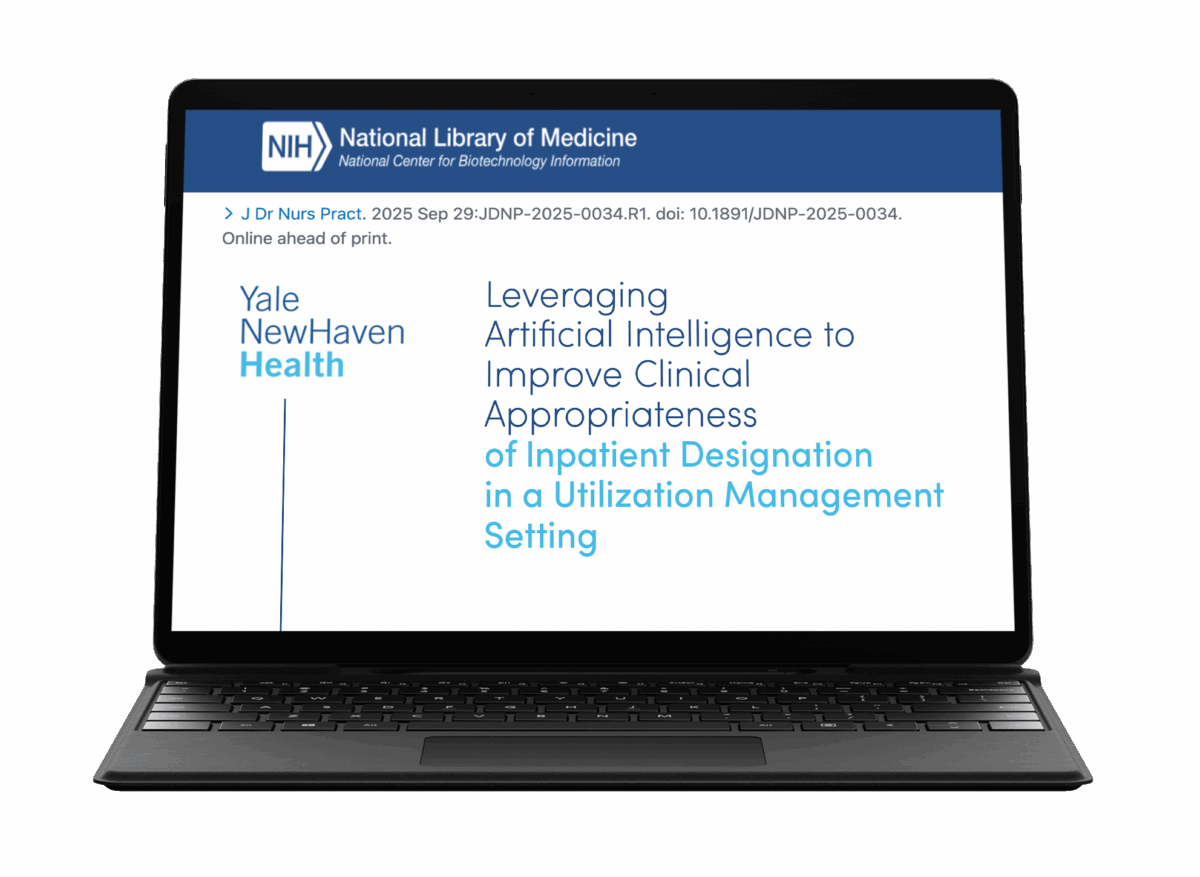
The study, Leveraging Artificial Intelligence to Improve Clinical Appropriateness of Inpatient Designation in a Utilization Management Setting, published in the Journal of Doctoral Nursing Practice, highlights that after implementing Xsolis’ AI technology, Yale New Haven Health reduced observation rates from 16.69% to 12.75% monthly.

That’s fewer avoidable observation stays and more accurate inpatient placement.  

Why it matters: 

  • Guides decision making at the moment of review
  • Reduces observation overuse
  • Improves patient status accuracy and operational efficiency
  • Potential for increased reimbursement


“The implementations for nursing of an AI tool in the UM review process effectively reduced observation service discharge rates by improving the identification of comorbidities and enhancing the assessment of medical necessity.”

Observation rates decreased from 16.69% to 12.75% monthly after AI implementation.

READ THE ABSTRACT


Accurate GMLOS Predictions
for Smarter Patient Flow Planning


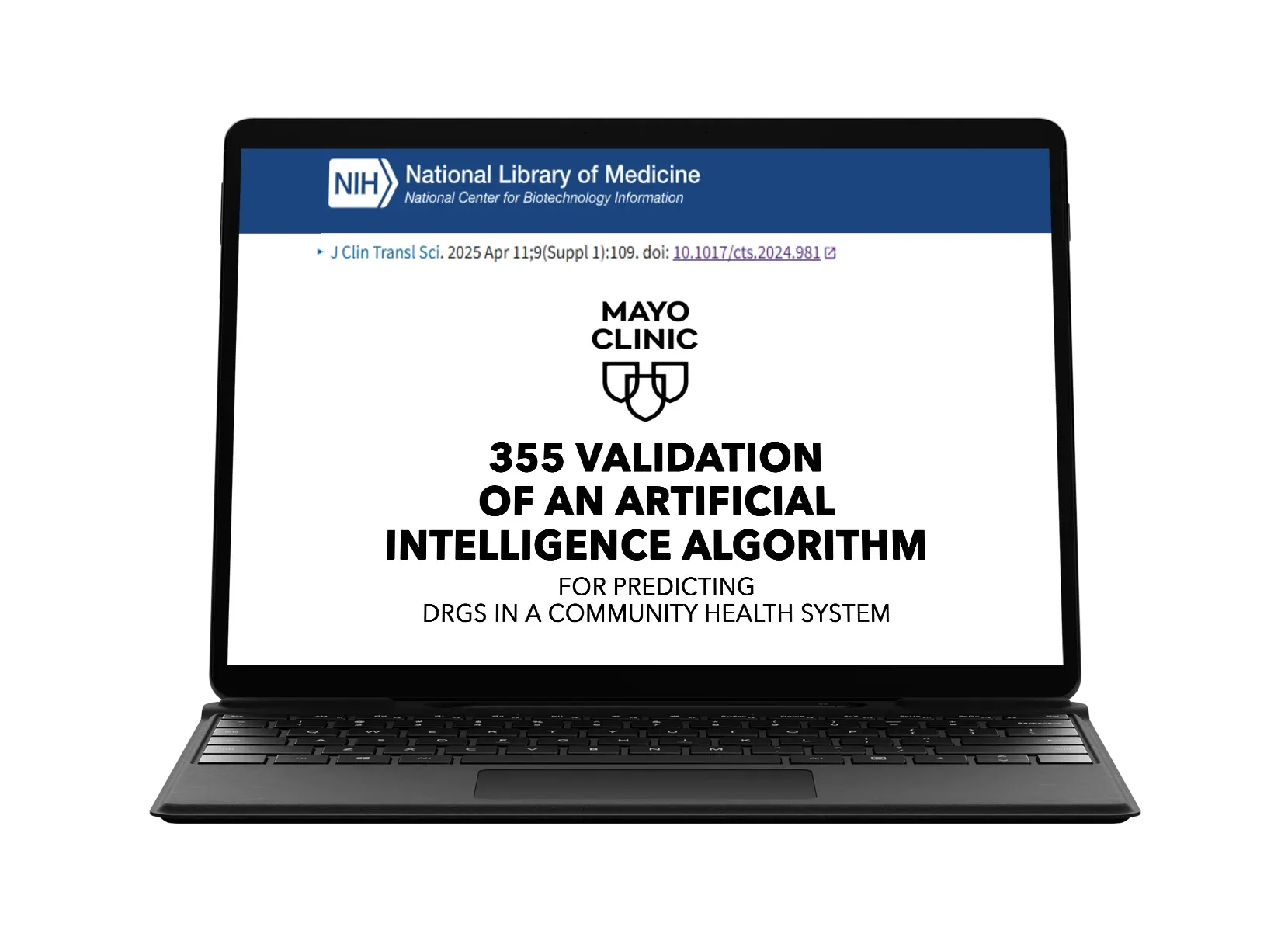
Peer-reviewed validation, via the Journal of Clinical and Translational Science, found that at the Mayo Clinic Health System, Xsolis’ AI accurately predicted expected geometric mean length of stay (GMLOS), giving leaders a reliable signal to plan beds, staffing, and resources with more confidence.

Why it matters:

  • Better forecasting of length of stay
  • More accurate patient flow planning
  • More efficient resource allocation
  • Improved patient throughput


“Our research underscores that clinical practice can leverage AI predictions in unexpected yet beneficial ways. While initially focused on DRG prediction, the associated GMLOS emerged as more significant.”

Xsolis  AI accurately predicted the expected GMLOS, which is a critical factor of efficient hospital flow planning.

READ THE ABSTRACT


High Accuracy
on Inpatient vs. Observation Status 

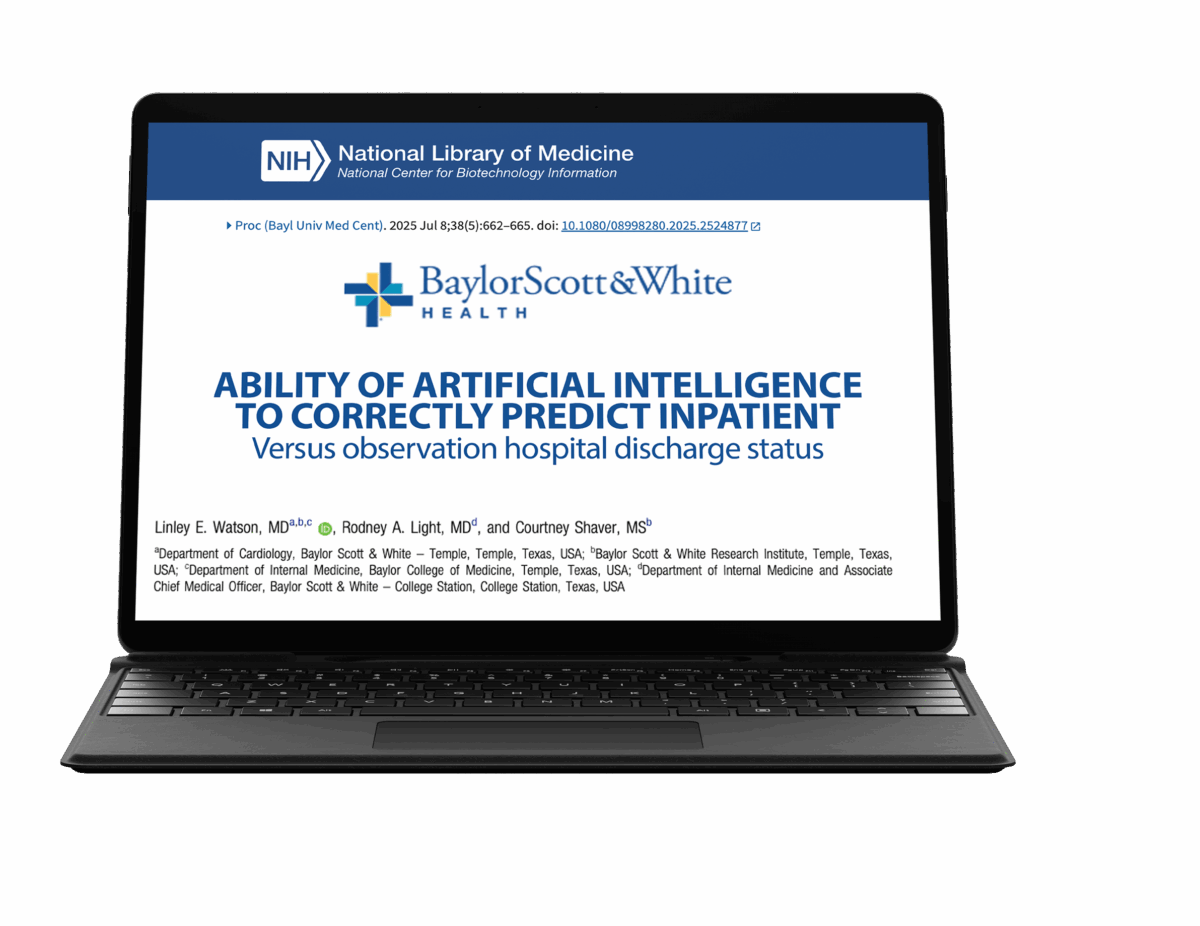
A Baylor University Medical Center Proceedings study featuring Baylor Scott & White found that Xsolis’ AI predicted inpatient versus observation discharge status with a high level of accuracy with strong sensitivity and specificity, ensuring appropriate patient care is provided.

Why it matters:

  • Improves patient status accuracy
  • Increases confidence and consistency in utilization management
  • Reduces unnecessary reviews
  • Supports quality care and revenue integrity


“This study supports the validity of real-time automated AI determination for accurately predicting the outcome of appropriate inpatient orders for care aligned with final inpatient discharge.”

Highly accurate patient discharge status predictions with strong sensitivity and specificity.

READ THE ABSTRACT


How the Care Level Score™ (CLS™) Works in Your Workflow

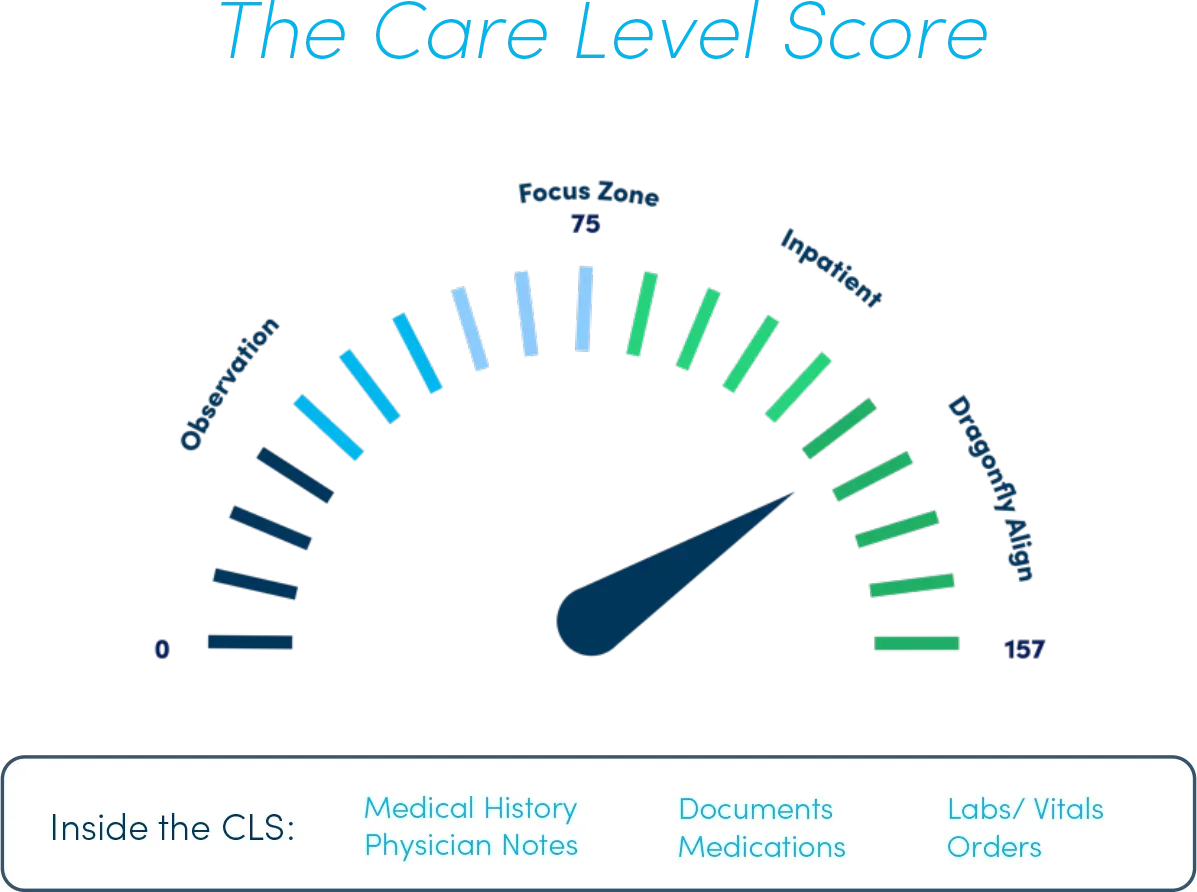
The CLS provides an objective view of medical necessity and is automatically generated for each patient in real-time as more information becomes available within the EMR, including medical history, labs and vitals, orders, medications, and more.

Xsolis’ proprietary CLS:

  • Ensures patient admission to the right care setting (inpatient vs. observation)
  • Reduces the number of patients that require manual review​
  • Reduces avoidable denials


To learn more about implementing AI to improve patient status accuracy and protect revenue integrity, reach out today.


REquest a consultation